
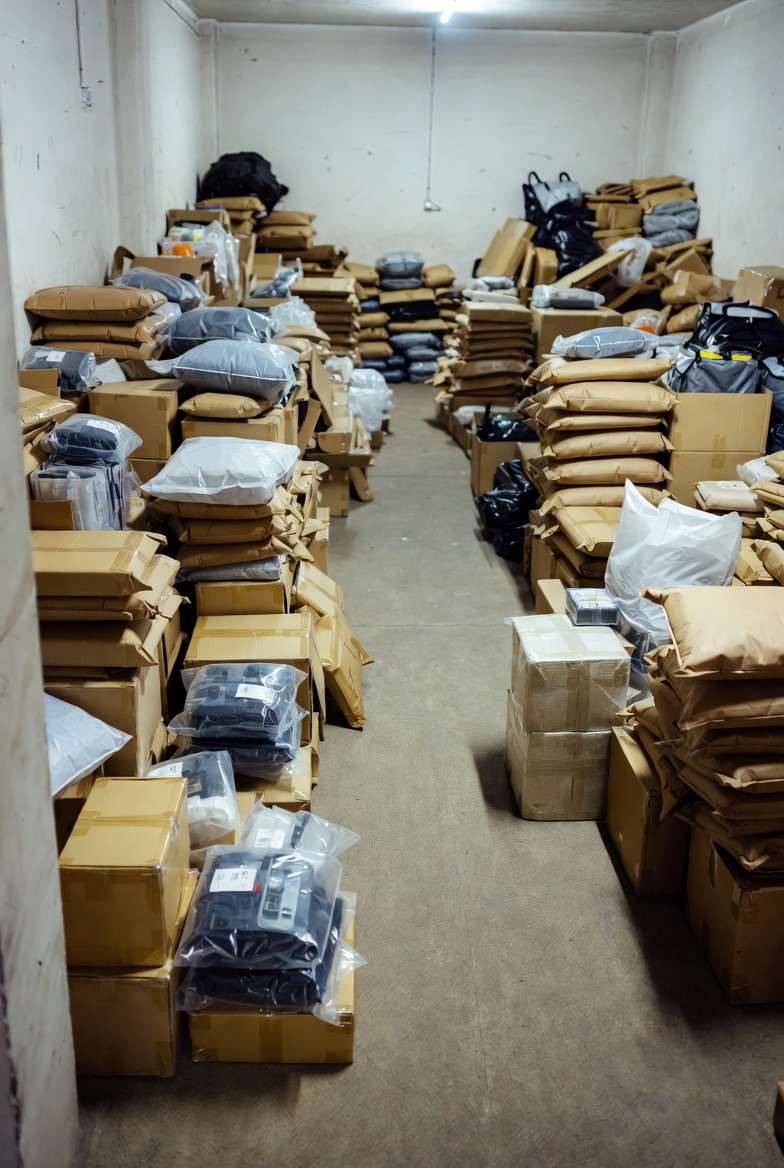
Ten years ago, a typical courier van was loaded with B2B freight — boxes of printer paper to offices, parts to workshops, stock to retail stores. Heavy, bulky, fewer stops. Today, that same van is loaded with 150 individual parcels going to 150 different residential addresses. The shift to B2C — driven by online shopping — has fundamentally changed what delivery drivers carry, how many stops they do, and what the job looks like day to day.
The Numbers Tell the Story
According to the Australia Post eCommerce report, Australians spent over $63 billion online in the most recent reporting period, and the volume of parcels continues to grow year on year. Every one of those orders becomes a parcel that a driver like you delivers. The freight hasn't just increased — it's changed shape entirely.
Where a B2B run might have 30 stops with an average parcel weight of 15kg, a B2C run now has 130+ stops with an average weight under 3kg. The total weight in the van might be similar, but the number of individual items — and individual delivery points — has exploded.
What This Means for Drivers
Stop counts are king. Your performance is increasingly measured by stops per hour, not kilograms delivered. The ability to move quickly between residential stops — scan, drop, photo, move — is the skill that defines modern courier work. Route optimisation isn't a nice-to-have anymore, it's essential.
Loading is different. Instead of stacking 20 heavy boxes in order, you're organising 150 small parcels so you can find each one quickly. Bad loading with B2C freight costs you more time than bad loading ever did with B2B, because you're searching through the van 150 times instead of 30.
Customer expectations are higher. B2C customers track their parcels in real time. They know when you're three streets away. They expect delivery photos, accurate ETAs, and parcels placed carefully — not tossed at the door. The standard has risen because the technology has made everything visible.
Peak seasons are more extreme. Black Friday, Click Frenzy, Christmas — B2C peaks are massive. A B2B driver might see a 10–20% increase during busy periods. A B2C driver might see their stop count double. Managing peak volume is now a core skill.
The job is faster but lighter. On the positive side, most B2C parcels are manageable one-handed. Your back takes less beating per individual parcel. But the repetitive nature — in and out of the van 150 times — creates its own wear and tear on knees, ankles, and feet.