
You're required to wear steel caps at the depot. It's a safety requirement and it makes sense — forklifts, heavy freight, pallet jacks. But then you're expected to do 130+ deliveries in those same boots, walking 15–25 kilometres across suburban footpaths, up driveways, and through apartment buildings. By day three of a new pair, your heels are raw, the balls of your feet are burning, and you've got blisters that make every step painful. Here's how to survive steel caps when your job requires you to walk a marathon in them.
Why Steel Caps Cause Blisters
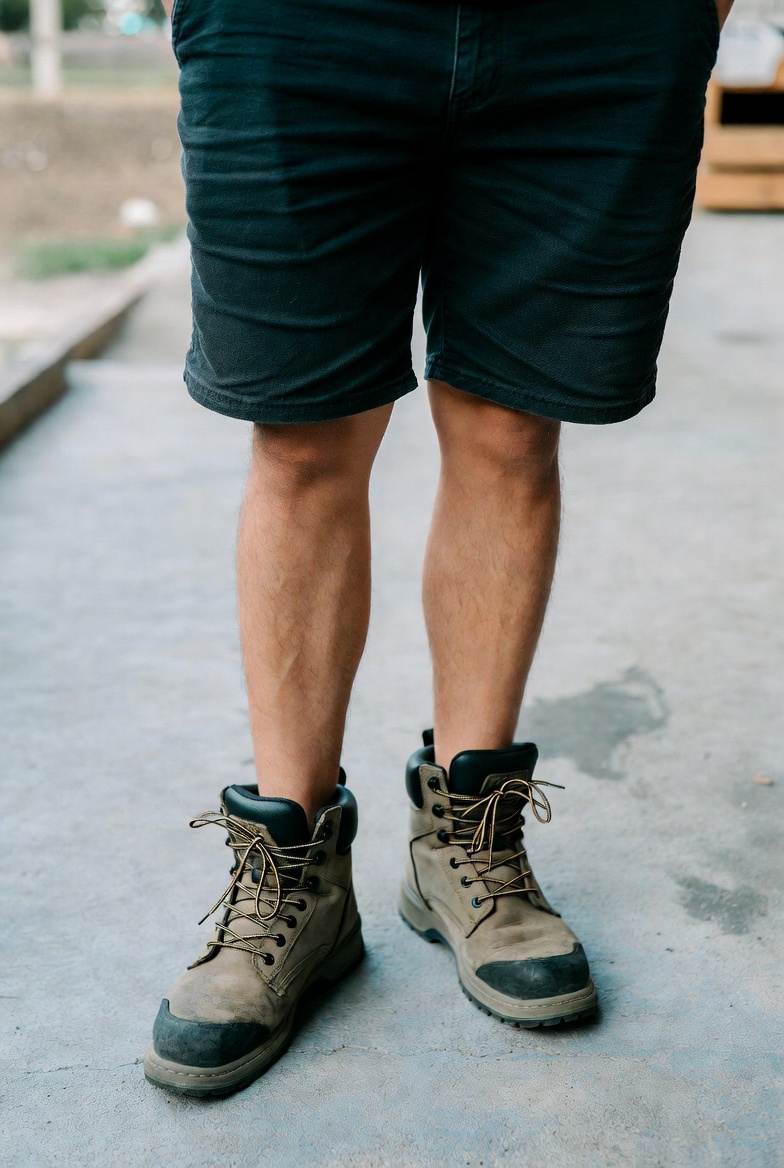
Steel cap boots are designed for protection, not for walking 20,000 steps a day. They're heavier than regular shoes, stiffer, and the steel toe cap creates pressure points that regular boots don't. The rigid sole doesn't flex naturally with your foot, so your heel lifts and drops with each step — creating friction. According to Safe Work Australia PPE guidelines, appropriate PPE must be provided for the specific task, and for delivery drivers that means footwear suited to both depot safety and all-day walking.
New boots are the worst offenders. The leather or synthetic upper hasn't moulded to your foot shape yet, so it rubs on every stride. Combined with sweaty feet in hot conditions, you've got the perfect recipe for blisters: friction + moisture + repetition.
Prevention
Get the right size. This sounds obvious but most drivers wear steel caps that are slightly wrong. Your delivery boots should be half a size larger than your regular shoes to account for foot swelling during the day and thicker socks. Go to a proper workwear store and get fitted in the afternoon when your feet are at their largest.
Invest in good socks. Cotton socks are the enemy — they absorb sweat and create friction. Merino wool or moisture-wicking synthetic socks are a game-changer. Brands like Darn Tough, Thorlos, and even Tradie brand work socks make a massive difference. Spend $15–$25 on a pair of proper work socks and you'll wonder why you ever wore cotton.
Aftermarket insoles. The insoles that come with most steel cap boots are garbage — thin foam that compresses to nothing in a week. Replace them with proper gel or memory foam insoles. Superfeet, Scholl Work, and Spenco all make insoles designed for work boots. They cushion impact and reduce heel movement that causes blisters.
Break them in gradually. Don't do a full 10-hour shift in brand new boots. Wear them around the house for a few days first. Then do half-days in them before committing to a full shift. This lets the boot mould to your foot without destroying it in the process.
Anti-blister balm. Products like BodyGlide or even plain Vaseline applied to friction points before your shift create a barrier that prevents blisters from forming. Apply to heels, toes, and the balls of your feet every morning.
Lightweight steel caps exist. The old-school heavy leather boots aren't your only option. Modern composite toe boots (which meet the same safety standards as steel) are significantly lighter and more flexible. Brands like Blundstone, Oliver, and Steel Blue make lightweight safety boots designed for people who walk all day.
Treating Existing Blisters
If you've already got blisters, don't pop them — the fluid inside is protecting the raw skin underneath. Cover with a blister-specific bandage (Compeed or similar hydrocolloid plasters work best) and keep the area clean. If a blister has already burst, clean it, apply antiseptic, and cover with a padded bandage.
For blisters that won't heal because you're back in boots every day: medical tape (Fixomull or similar) applied directly to the skin before putting socks on creates a second skin that drastically reduces friction. Some drivers tape their heels every morning as prevention — it sounds excessive until you try it and realise you haven't had a blister in months.