
It takes half a second to pull a handbrake. It also takes half a second to forget. And when a two-tonne delivery van starts rolling — on a slope, in a depot, on a customer's driveway — there is no catching it. No running after it. No fixing it. You just watch it go, and pray nobody is in the way. This is one of those safety topics that every driver thinks they're too experienced to need reminding about. That's exactly when it happens.
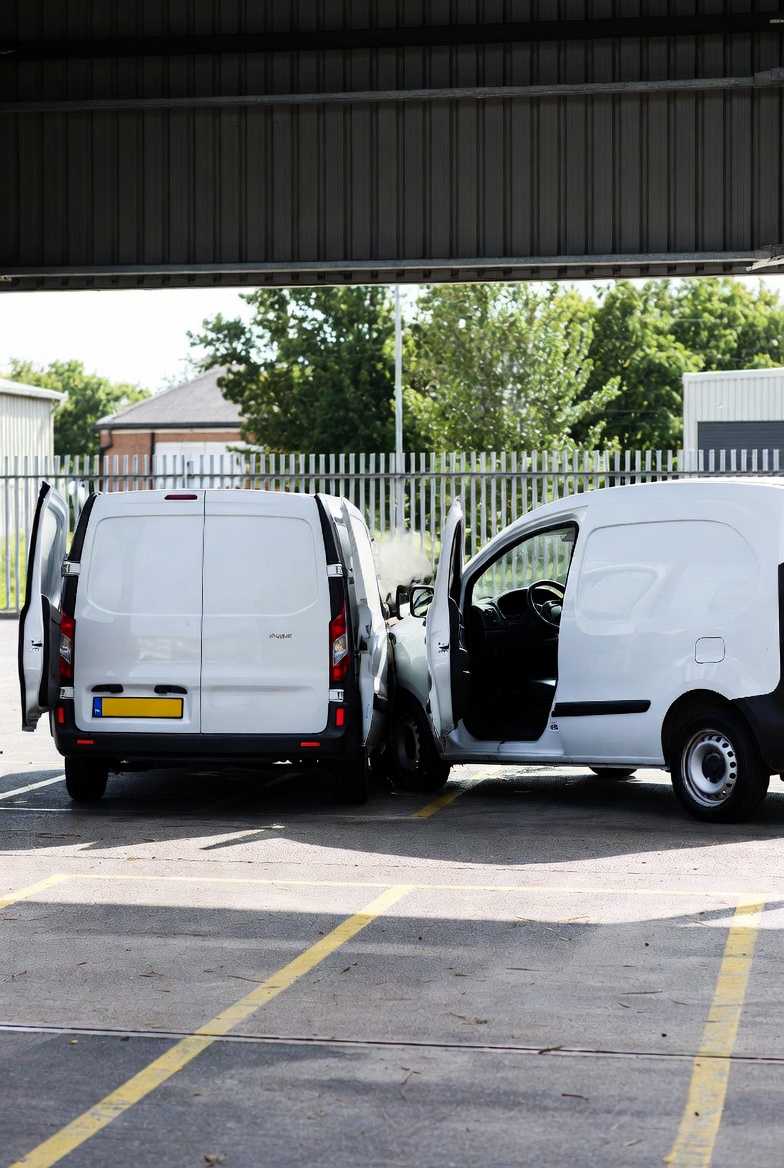
How Roll-Aways Happen
You'd think a driver would never forget the handbrake. But here's how it actually happens: you've been doing 100+ stops, you're in a rhythm — stop, scan, deliver, get back in, drive. After a while your brain goes on autopilot. You pull up, jump out, deliver the parcel, jump back in and drive off. Except that one time, on that one slight slope, you didn't pull the handbrake. And the van rolled.
It happens at depots too. You reverse into your bay, jump out to grab a trolley, and the van creeps forward into the vehicle in front. Or worse — into the walkway where people are loading. According to WorkSafe Queensland, vehicle roll-aways are a significant cause of workplace injuries in the transport sector.
Some drivers rely on leaving the van in gear instead of using the handbrake. This is a dangerous shortcut. If you bump the gear stick or the transmission slips, the van moves. The handbrake is a mechanical lock — it's the only thing that physically holds the vehicle in place.
Real Consequences
A roll-away at a customer's premises can crush someone against a wall, roll into traffic, or smash through a fence and into a house. Even a slow-rolling van has enough momentum to kill. Drivers have lost their jobs, their licences, and in worst cases, faced criminal charges over roll-away incidents that took less than five seconds to unfold.
Even without injuries, a roll-away means vehicle damage, insurance claims, possible termination, and a permanent mark on your driving record. It can follow you to every job application for years.
Building the Habit
Every single stop. Not just the ones that look hilly. Flat ground isn't always flat — a gradient you can't see with your eyes can still move a vehicle. Make it muscle memory: stop, handbrake, park, get out. Every time. No exceptions.
Turn your wheels into the kerb. On any slope, angle your front wheels towards the kerb. If the handbrake fails and the van moves, it'll roll into the gutter instead of down the street.
At the depot: Handbrake and wheel chocks if available. Some depots have sloped loading bays that look flat but aren't. Don't rely on your perception — rely on the handbrake.
Customer driveways: This is where most roll-aways happen on the road. Suburban driveways often have a slope towards the street. If you park on someone's driveway to deliver heavy freight, handbrake on, even if you're only out of the van for 30 seconds.