
Fuel is the single largest operating expense for most delivery drivers. If you're running 150+ stops a day, you're easily burning through $60–$120 in fuel — sometimes more. The good news is that small changes in how you drive, plan, and maintain your vehicle can cut that bill by 20–30%. Over a year, that's thousands of dollars back in your pocket.
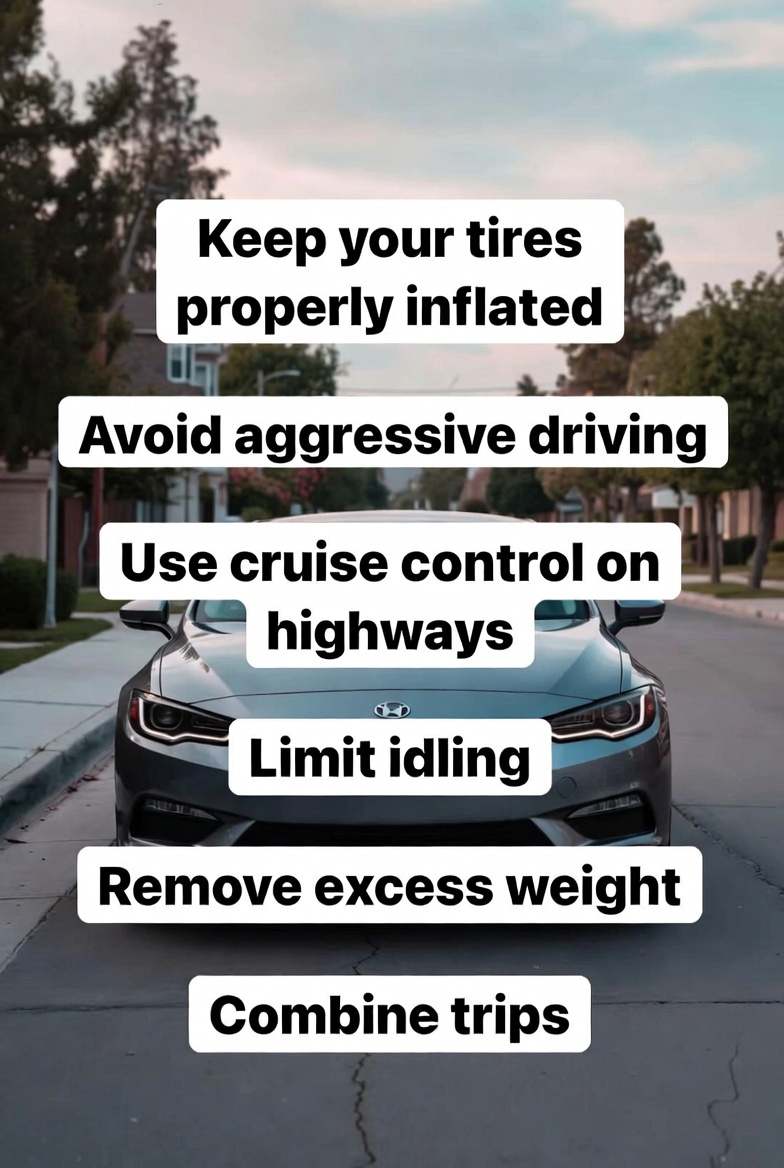
The Biggest Fuel Killer: Inefficient Routes
Before we talk about driving technique or tyre pressure, let's address the elephant in the room. The number one thing burning your fuel is unnecessary kilometres. A poorly sequenced route with 100 stops can easily add 40–60km of backtracking compared to an optimised one. That's an extra $8–$15 in fuel — every single day.
Route optimisation software eliminates this waste by sequencing your stops in the most efficient order using real-time traffic data. It's the single highest-impact change you can make for fuel economy, and it takes less than a minute to set up.
Manual route planning is costing you money — and the maths proves it. If you're still sorting stops by hand or by gut feel, this is where to start.
Driving Habits That Drain Your Tank
Your right foot has more control over fuel economy than almost any other factor. Delivery driving involves constant stopping and starting, which is inherently fuel-hungry — but how you handle those transitions makes a massive difference.
Aggressive Acceleration
Flooring it away from every stop can increase fuel consumption by 30–40% compared to smooth, progressive acceleration. You don't need to crawl, but reaching your cruising speed over 8–10 seconds instead of 3–4 seconds saves significant fuel over a full day of deliveries.
The irony is that aggressive driving rarely gets you there faster. Red lights, traffic, and stop signs are great equalisers. The driver who accelerates smoothly usually arrives at the next stop within seconds of the driver who floors it — just with more fuel left in the tank.
Hard Braking
Every time you brake hard, you're converting fuel energy into wasted heat. Anticipating stops — lifting off the accelerator early and coasting to a gentle stop — recovers some of that energy through engine braking. Over 100+ stops per day, this adds up dramatically.
A simple habit shift: look further ahead. If you can see a red light, a stop sign, or your next delivery 200 metres away, start coasting. Your fuel gauge will thank you.
Excessive Speed
Fuel consumption increases exponentially above 80 km/h. At 110 km/h, most vans use 15–25% more fuel than at 90 km/h. For delivery drivers doing short suburban runs, this mostly applies to highway transitions between delivery zones.
If your route takes you on a motorway, sitting at 95–100 instead of 110 can save 1–2 litres per highway segment. It costs you a minute or two — and saves you real money.
Idling
A delivery van idling burns 1–2 litres per hour. If you're running into apartment buildings, stopping for lunch with the engine on, or sitting in loading docks waiting, that fuel is going nowhere. Turn the engine off for any stop longer than 30 seconds — modern engines don't need "warm-up" time to restart.
The Numbers: Driving Habits Impact
Smooth acceleration vs aggressive: 15–20% fuel saving
Anticipatory braking vs late braking: 10–15% fuel saving
95 km/h vs 110 km/h on highway: 15–25% fuel saving
Engine off vs idling (30 min/day): ~$5–$8/day saved
Vehicle Maintenance That Pays for Itself
A poorly maintained vehicle is a fuel-hungry vehicle. These maintenance items directly affect consumption and usually cost less to fix than the fuel they waste.
Tyre Pressure
Under-inflated tyres are the most common and most overlooked fuel waster. Tyres that are 20% below the recommended pressure increase fuel consumption by about 10%. For a delivery van doing 150+ km/day, that's easily an extra $5–$8 per day in wasted fuel.
Check your tyre pressure weekly — ideally when tyres are cold (before driving). Your van's recommended pressure is on the placard inside the driver's door jamb. Many drivers inflate to the higher end of the range when carrying full loads.
Air Filters
A clogged air filter restricts airflow to the engine, forcing it to work harder and burn more fuel. Replacing a dirty air filter can improve fuel economy by 5–10%. Most delivery vans need a new air filter every 20,000–30,000 km — more often in dusty conditions.
A new air filter costs $20–$50. If it saves you even 3% on fuel over its lifespan, you'll recover that cost in the first week or two. Learn more about keeping your van in top condition.
Engine Oil
Using the manufacturer-recommended oil grade matters. Thicker oil than needed increases internal friction, which increases fuel consumption. Most modern vans specify 5W-30 or 0W-20 — using 10W-40 "because it's cheaper" can cost you 2–3% in fuel economy.
Stick to the recommended oil grade and change it on schedule. Old, degraded oil loses its friction-reducing properties and costs you at the pump.
Spark Plugs & Fuel System
Worn spark plugs and dirty fuel injectors cause incomplete combustion — you're literally burning fuel without getting full power from it. If your van feels sluggish, misfires, or has noticeably worse fuel economy than when new, these are prime suspects. A fuel system clean and spark plug replacement typically costs $150–$300 and can restore 5–15% of lost fuel economy.
Loading and Weight
Every extra 50 kg your van carries increases fuel consumption by roughly 1–2%. This doesn't mean you should deliver fewer parcels — it means being smart about what unnecessary weight you're carrying around.
Remove unnecessary items. Tools, equipment, old parcels, personal items — anything that doesn't need to be in the van today shouldn't be. A clean-out can easily shed 30–50 kg of dead weight.
Don't carry extra fuel. A full tank weighs more. If you're doing short suburban runs and passing a petrol station anyway, filling up halfway saves weight for most of the day.
Load strategically. Place your first deliveries at the back (last loaded, first out) and work forward. This isn't just more efficient for delivery sequence — it means you're carrying the heaviest load for the shortest distance. Read our full guide on van loading strategies.
Fuel-Saving Tech
Beyond driving habits and maintenance, a few tools can help you monitor and reduce fuel spending.
Route optimisation apps. The biggest single fuel saver. An app like Routed eliminates backtracking and unnecessary kilometres by sequencing your stops optimally using live traffic data.
Fuel price apps. GasBuddy and Petrol Spy (Australia) show real-time prices at nearby stations. Saving 10–15 cents per litre on a 60-litre fill adds up to $6–$9 per tank.
OBD-II monitors. Plug-in devices like the OBDLink or Kiwi reader connect to your van's diagnostics and show real-time fuel consumption, engine health, and driving efficiency scores. They cost $30–$80 and connect to your phone via Bluetooth.
Fuel cards. If you're an owner-driver or contractor, fuel cards from providers like BP, Ampol, or Shell offer per-litre discounts (typically 4–8 cents) and simplified expense tracking for tax time.
Putting It All Together
Let's run the numbers on a typical delivery driver doing 180 km/day in a van averaging 10L/100km at $2.00/L.
Daily Fuel Cost: $36.00
Route optimisation (−15% km): Save $5.40/day → $1,404/year
Smoother driving (−15% consumption): Save $4.59/day → $1,193/year
Correct tyre pressure (−5%): Save $1.53/day → $398/year
Fuel price app (−6c/L): Save $1.08/day → $281/year
Reduced idling (30 min/day): Save $2.50/day → $650/year
Combined potential saving: ~$3,900/year
That's nearly $4,000 a year — from changes that cost almost nothing to implement. You don't need to do everything at once. Start with route optimisation (biggest impact, least effort), add one driving habit change per week, and check your tyre pressure every Monday morning. Within a month, you'll see a clear difference in your fuel receipts.
Final Thought
Every litre of fuel you save is money that stays in your pocket — not your exhaust pipe. The best delivery drivers don't just work hard; they work efficiently. Fuel economy isn't about sacrificing speed or skipping deliveries. It's about eliminating the waste that adds nothing to your day and everything to your costs.