
It's one of the most searched questions in the gig economy — and the answer is more nuanced than a single number. What you earn as a delivery driver in Australia depends on whether you're employed or contracting, which platform or company you work for, where you're based, and how efficiently you run your routes. Here's a full breakdown for 2026.
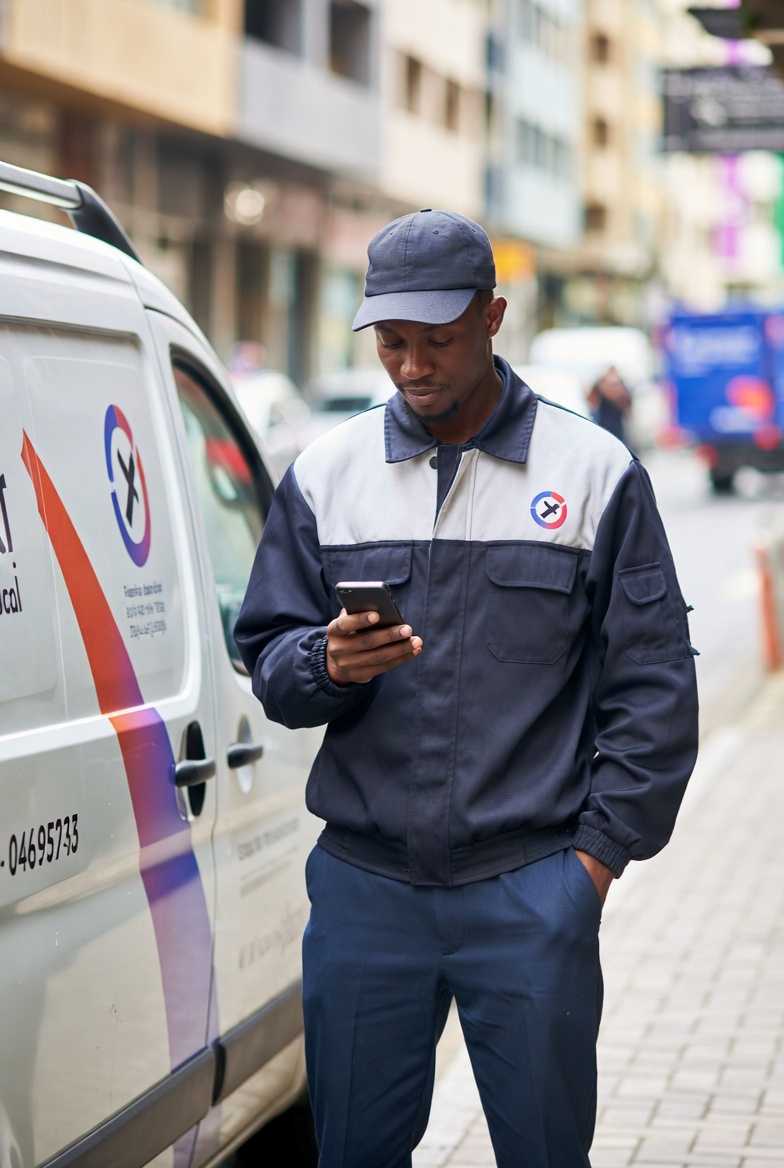
🇦🇺 Australia: The Full Picture
Employed Delivery Drivers
If you're employed by a company like Australia Post, StarTrack, Toll, or a local courier firm, your pay is more predictable. Most employed drivers fall under the Road Transport and Distribution Award or a company enterprise agreement.
Entry-level drivers: $25 – $30/hr ($52,000 – $62,000/yr)
Experienced drivers: $30 – $38/hr ($62,000 – $79,000/yr)
Owner-drivers (contracted): $35 – $55/hr gross (before fuel, insurance, vehicle costs)
Long-haul / specialist: $70,000 – $100,000+/yr
Employed drivers also receive superannuation (11.5% in 2026), paid leave, and workers' compensation — benefits that gig workers don't get. This makes the real gap between employed and gig pay larger than the hourly rate suggests.
How Overtime Can Change Your Earnings
Under most Australian awards and enterprise agreements, overtime is paid at 1.5× your base rate for the first two hours, and 2× after that. For delivery drivers doing regular overtime, this can significantly boost annual earnings — and it's more common than you'd think. Many drivers work 9.5–10 hour days as standard.
Overtime Impact: 2 Extra Hours Per Day at 1.5× Rate
*Based on 7.6hr standard day + 2hr overtime at 1.5× rate, 260 working days/year. Overtime calculated as 2 × (base rate × 1.5).
That's an extra $19,500–$29,640 per year just from two hours of overtime daily. For an experienced driver on $35/hr, overtime takes annual earnings from $69k to over $96k — a 40% increase. This is one of the biggest advantages employed drivers have over gig workers, who receive no overtime loading regardless of how many hours they work.
Gig Platform Drivers
Platforms like Amazon Flex, DoorDash, Uber Eats, and Menulog pay per delivery or per block of time. Earnings vary wildly based on location, time of day, and how quickly you can complete deliveries.
Amazon Flex: $25 – $33/hr (block rates vary by region and demand)
DoorDash: $15 – $30/hr (highly variable — peak hours vs quiet periods)
Uber Eats: $15 – $28/hr (base pay + surge + tips)
Menulog: $16 – $26/hr (depends on order volume and distance)
Important: These are gross figures. Gig drivers are independent contractors, meaning you need to subtract fuel ($150–$300/week), vehicle wear and tear, insurance, phone costs, and GST obligations. After expenses, many gig drivers net $15 – $22/hr. Understanding your available tax deductions is critical.
Pay by City
Location has a significant impact on what you earn. Higher population density means more deliveries per hour, but also more competition and higher fuel costs.
Sydney: Highest gross pay but highest costs. Average $28 – $35/hr employed, $20 – $30/hr gig.
Melbourne: Competitive rates, strong gig demand. Average $27 – $33/hr employed, $18 – $28/hr gig.
Brisbane: Lower cost of living offsets slightly lower rates. Average $25 – $32/hr employed, $18 – $26/hr gig.
Perth: Strong demand for mining logistics and regional deliveries. Average $28 – $36/hr employed.
Regional areas: Fewer deliveries per hour but less competition. Rates vary from $24 – $30/hr employed.
How to Maximise Your Earnings
The difference between a driver earning $18/hr and one earning $30+/hr often comes down to efficiency, not working harder. Here's what the top earners do differently:
Optimise your routes. A driver who sequences 120 stops efficiently will finish 1–2 hours earlier than one who wings it. That's $50–$70 in your pocket — or time you can spend on extra blocks. This is exactly what Routed is built for.
Work peak hours. Early morning (5–8am) and evening (5–9pm) shifts consistently pay more across all platforms due to demand surges.
Stack platforms. Many experienced gig drivers run two or three platforms simultaneously, picking up the best-paying orders from each.
Track every expense. Fuel, tolls, phone bills, vehicle maintenance — they're all deductible. Most drivers leave thousands of dollars on the table at tax time.
Reduce failed deliveries. Every "not home" costs you time and money. Learning to handle difficult customers and plan for secure delivery saves you re-delivery attempts.
Global Snapshots
If you're driving in the US, UK, or Canada — or thinking about it — here's how pay compares across markets.
🇺🇸 United States
Employed drivers (UPS, FedEx, USPS): US$18 – $28/hr ($37,000 – $58,000/yr). Unionised UPS drivers can earn $40+/hr at top scale.
Amazon DSP drivers: US$18 – $22/hr depending on state and DSP.
Amazon Flex: US$18 – $25/hr (block rates). Surge pricing during holidays can push this to $30+.
DoorDash / Uber Eats: US$15 – $25/hr gross. Tips make or break earnings — they account for 30–50% of total pay in most markets.
Key difference: Tipping culture means US gig drivers can earn significantly more than Australian counterparts per delivery, but there's no minimum wage floor for contractors and no super/benefits equivalent.
🇬🇧 United Kingdom
Employed drivers (Royal Mail, DPD, Hermes/Evri): £11 – £15/hr (£23,000 – £31,000/yr). Royal Mail drivers on permanent contracts receive pension and holiday pay.
Amazon Flex: £13 – £17/hr (block rates vary by depot and demand).
Self-employed couriers: £14 – £20/hr gross. After fuel (£200–£350/month) and van costs, net pay is typically £10 – £15/hr.
Deliveroo / Uber Eats: £10 – £18/hr. London pays highest; smaller cities can drop below £10/hr during quiet periods.
Key difference: The UK's 2024 gig economy reforms mean some platforms now provide basic worker protections. Fuel costs are among the highest globally, making route efficiency critical.
🇨🇦 Canada
Employed drivers (Canada Post, Purolator, FedEx): CA$20 – $30/hr (CA$42,000 – $62,000/yr). Canada Post letter carriers on permanent contracts earn up to CA$30/hr with benefits.
Amazon Flex: CA$20 – $27/hr (block rates). Toronto and Vancouver tend to have the best availability and rates.
Skip the Dishes / DoorDash / Uber Eats: CA$15 – $25/hr gross. Tips are common and can add 20–40% to base pay.
Owner-operator couriers: CA$25 – $45/hr gross. After vehicle and fuel costs (CA$800–$1,500/month), net varies significantly.
Key difference: Harsh winters in much of Canada mean seasonal demand spikes and hazard pay during snow periods. Winter tires and vehicle maintenance are significant additional costs that southern drivers don't face.
Quick Comparison
| Country | Employed (avg/hr) | Gig Gross (avg/hr) | Gig Net (est/hr) |
|---|---|---|---|
| 🇦🇺 Australia | A$28 – $34 | A$20 – $30 | A$15 – $22 |
| 🇺🇸 United States | US$20 – $28 | US$18 – $25 | US$13 – $19 |
| 🇬🇧 United Kingdom | £12 – £15 | £12 – £18 | £10 – £15 |
| 🇨🇦 Canada | CA$22 – $30 | CA$18 – $25 | CA$14 – $20 |
*Figures are estimates based on publicly available data, driver reports, and platform disclosures as of early 2026. Actual earnings vary by location, hours, platform, and individual efficiency.
The Bottom Line
Delivery driving in Australia pays reasonably well compared to global markets — especially for employed drivers with award rates and super. For gig workers, the gap between what you earn and what you keep is significant, and the drivers who come out ahead are the ones who treat it like a business: tracking expenses, optimising routes, working smart hours, and using the right tools.
Whether you're running 30 stops or 180, the most impactful thing you can do for your bottom line is stop wasting time on inefficient routes. A few minutes saved per stop adds up to hours per week — and that's real money.