
It happens to everyone eventually. You're loading the van at 5am, you grab a box off the belt, it's heavier than expected, and it slips. You hear something shatter inside. Or you're mid-delivery, you trip on a step, and the parcel hits the ground hard. Or you open the van and notice a box that was clearly crushed during sorting — it wasn't you, but now it's in your possession. What you do next matters. Handling damaged freight correctly protects you, the customer, and your job.
If You Caused the Damage
Don't hide it. This is the most important rule. The temptation is to deliver the parcel and hope the customer doesn't notice, or to quietly put it aside and hope nobody asks. Both of these make the situation significantly worse when the truth comes out — and it always comes out. Cameras in depots, GPS logs, and customer complaints mean damage is almost always traceable.
Report it immediately. Tell your supervisor or dispatch as soon as it happens. Explain what happened factually: "I dropped a box during loading and it sounds like something inside broke." This creates a record and starts the claims process early. Supervisors deal with freight damage daily — it's routine, not career-ending.
Take photos. Photograph the damage — the exterior of the package and any visible damage to the contents if the box has opened. This helps with the insurance claim and provides evidence of the condition at the time of the incident.
Don't open sealed parcels. Even if you want to check if something's broken inside, don't open a sealed box. Opening freight creates tampering concerns and complicates the claim. Let the depot or the customer handle opening and inspection.
If You Find Already-Damaged Freight
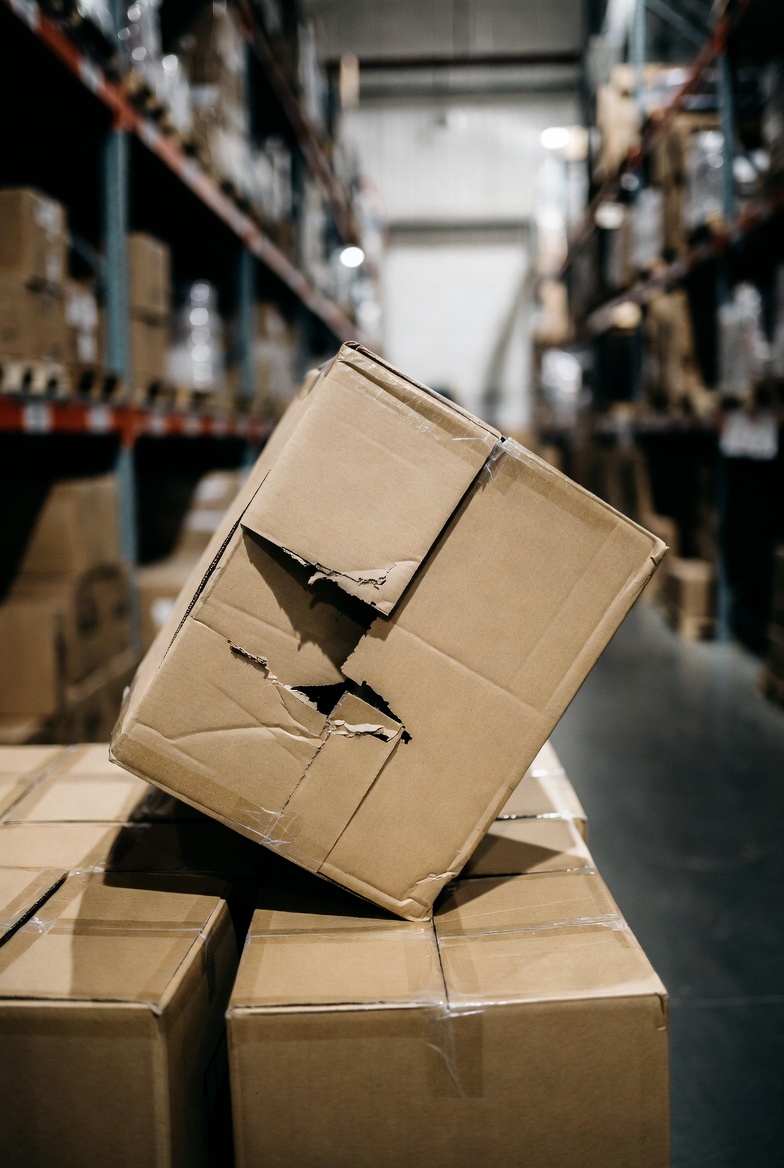
You open the van and there's a box that's clearly been crushed, is wet, has a hole in it, or is visibly damaged before you've even touched it. This damage happened during sorting, transit, or loading — not on your watch. But it's in your van now, so you need to handle it properly.
Should you deliver it? It depends on the severity. Minor cosmetic damage to the outer box — a dented corner, a small tear — is usually fine to deliver. The contents are likely undamaged. Major damage — crushed boxes, wet or leaking packages, visible damage to contents — should not be delivered.
Under ACCC consumer guarantees, consumers are entitled to receive goods in acceptable condition. Delivering visibly damaged freight puts the customer in a difficult position and creates a complaint that traces back to you — even though you didn't cause the damage. If the damage is significant, return it to the depot and let them handle it.
Protect yourself: Photograph any pre-existing damage before you leave the depot. A quick photo of the damaged box in the van, timestamped before your first delivery, proves the damage wasn't caused during your delivery process.
Liability
For employed drivers, freight damage is typically covered by the company's insurance. You're unlikely to be personally liable unless the damage was caused by gross negligence — deliberately throwing parcels, driving recklessly, or repeated carelessness after warnings.
For contractors, your liability depends on your contract and insurance. Most courier contracts include a clause about freight damage liability. Check yours. Having appropriate goods-in-transit insurance protects you from personal liability for accidental damage. Without it, you could be paying for that broken TV out of your own pocket.